
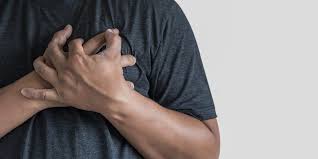
Whether it's before a big presentation, an important event, or an intimate moment, performance anxiety is something most people experience at some point in their lives. Your heart races, your hands shake, your mind goes blank — and the harder you try to calm down, the worse it seems to get.
The good news? Performance anxiety is incredibly common, well understood, and very manageable. Here's what's actually happening in your body — and what you can do about it.
What Is Performance Anxiety?
Performance anxiety is the fear or worry that you won't be able to perform well in a high-pressure situation. It's sometimes called "stage fright," but it goes well beyond public speaking. Performance anxiety can show up in social settings, professional environments, athletic competitions, and even in the bedroom.
It's not a character flaw or a sign of weakness. It's your nervous system doing what it was designed to do — just at the wrong time.
Why Does It Happen?
When you feel pressure to perform, your brain perceives the situation as a threat and triggers the body's fight-or-flight response. This releases a surge of adrenaline, which causes a chain reaction of physical symptoms:
- Rapid heartbeat
- Sweating
- Trembling or shaking
- Shortness of breath
- Dry mouth
- Nausea
- Difficulty concentrating
The problem is that these physical symptoms can themselves become a source of anxiety — creating a cycle that's hard to break. You worry about performing poorly, which makes the symptoms worse, which makes it even harder to perform well.
Who Does It Affect?
Performance anxiety doesn't discriminate. It affects people across all ages, backgrounds, and experience levels. Even seasoned professionals and athletes deal with it. For some, it's occasional and manageable. For others, it's persistent enough to interfere with daily life, relationships, or career.
Common Types of Performance Anxiety
Social and Professional
Nervousness before public speaking, job interviews, presentations, or high-stakes meetings is one of the most widely recognized forms of performance anxiety.
Athletic
Athletes often experience anxiety before competitions, which can affect coordination, focus, and physical performance — a pattern well documented in men's health research.
Sexual
- Performance anxiety in intimate settings is more common than most people realize. Concerns about satisfying a partner or meeting personal expectations can cause significant stress, which in turn can affect physical arousal and response. This is closely associated with men's performance anxiety and can contribute to erectile difficulties, even in the absence of any underlying physical condition.Performance anxiety in intimate settings is more common than most people realize. Concerns about satisfying a partner or meeting personal expectations can cause significant stress, which in turn can affect physical arousal and response. This is closely associated with men's performance anxiety and can contribute to erectile difficulties, even in the absence of any underlying physical condition.
- It's not just a male experience either. Women's performance anxiety follows the same pattern — that same pressure can undermine her arousal and comfort just as easily.
How to Manage Performance Anxiety
Breathing Techniques
Slow, controlled breathing activates the parasympathetic nervous system — essentially telling your body to stand down from fight-or-flight mode. Try inhaling for four counts, holding for four, and exhaling for four. Even a few cycles can make a noticeable difference.
Shift Your Focus
Anxiety tends to thrive when attention turns inward. Instead of monitoring how you're feeling, redirect your focus outward — to the task at hand, the other person, or the environment around you.
Preparation and Practice
For professional or athletic performance anxiety, thorough preparation is one of the most effective tools available. The more familiar something feels, the less threatening it appears to your brain.
Talk to Someone
Therapists who specialize in cognitive behavioral therapy (CBT) can help you identify and reframe the thought patterns that fuel anxiety. For many people, even a short course of therapy leads to lasting improvement.
Medication
For situational performance anxiety — such as public speaking or high-pressure events — short-acting medications can help manage the physical symptoms in the moment. Beta-blockers, for example, are commonly used to reduce heart rate, trembling, and the physical signs of anxiety without causing sedation or affecting mental clarity.
When Is It Time to Seek Help?
If performance anxiety is holding you back — affecting your work, relationships, or quality of life — it's worth taking seriously. You don't have to push through it alone, and you don't have to let it define your experiences.
How NOWMeds Can Help
At NOWMeds, you can connect with a licensed provider through a quick online consultation. The provider reviews your history and, if clinically appropriate, may recommend a personalized plan. Anything prescribed is delivered straight to your door, with no waiting rooms and no awkward conversations.
Taking the first step is easier than you think. Visit NOWMeds today to start a consultation.