
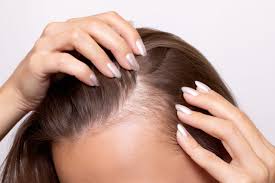
Hair loss can feel alarming — especially when you start noticing it on your pillow, in the shower drain, or in the mirror. But here's the reassuring truth: in most cases, hair loss has a clear cause, and many of those causes are treatable. Understanding what's behind your hair loss is the first step toward doing something about it.
It's More Common Than You Think
Hair loss affects millions of people — men and women alike. In fact, by age 50, more than half of men and nearly as many women experience some degree of noticeable hair thinning. So if you're in that boat, you're far from alone.
Women often experience noticeable hair loss after pregnancy, during menopause, or when stopping hormonal birth control, all due to hormonal fluctuations. Women's hair loss treatments aimed at these specific triggers can make a real difference.
The Most Common Causes of Hair Loss
1. Genetics (Androgenetic Alopecia)
The most common cause of hair loss in both men and women is hereditary. Known as androgenetic alopecia — or male and female pattern hair loss — this type is driven by genetics and hormones. In men, it typically shows up as a receding hairline or thinning at the crown. In women, it usually presents as overall thinning across the top of the scalp.
If hair loss runs in your family, there's a good chance genetics play a role in yours too. The good news is that proven men's hair loss solutions already exist for hereditary hair loss specifically.
2. Hormonal Changes
Hormones have a significant impact on hair health. Conditions like thyroid disorders, polycystic ovary syndrome (PCOS), and shifts in estrogen or testosterone levels can all trigger shedding. Women often experience noticeable hair loss after pregnancy, during menopause, or when stopping hormonal birth control — all due to hormonal fluctuations.
3. Stress
Physical or emotional stress can push hair follicles into a resting phase, causing significant shedding two to three months after a stressful event. This is called telogen effluvium. The good news? It's usually temporary. Once the stressor is resolved, hair typically regrows on its own.
4. Nutritional Deficiencies
Your hair needs fuel to grow. Deficiencies in iron, biotin, zinc, vitamin D, and protein are all linked to increased hair shedding and slower regrowth. This is especially common in people following restrictive diets or those with absorption issues.
5. Medications and Medical Treatments
Certain medications list hair loss as a side effect, including blood thinners, antidepressants, blood pressure medications, and chemotherapy drugs. If your hair loss started shortly after beginning a new medication, it's worth discussing with your provider.
6. Scalp Conditions
An unhealthy scalp can get in the way of healthy hair growth. Conditions like dandruff, seborrheic dermatitis, or fungal infections can inflame the scalp and disrupt the hair growth cycle. Treating the underlying scalp condition often helps improve hair density over time.
7. Hairstyling Habits
Tight hairstyles — like ponytails, braids, or extensions worn regularly — can cause a type of hair loss called traction alopecia by putting repeated stress on the follicles. Excessive heat styling and chemical treatments can also weaken the hair shaft and lead to breakage over time.
When Should You Do Something About It?
The earlier you address hair loss, the better your chances of slowing or reversing it. If you've been noticing more shedding than usual, a widening part, or thinning at the temples or crown, it's worth looking into your options sooner rather than later.
How NOWMeds Can Help
At NOWMeds, you can connect with a licensed provider through a quick online consultation. The provider reviews your history and, if clinically appropriate, may recommend a personalized plan. Anything prescribed is delivered straight to your door.
No waiting rooms. No hassle. Just care that works around your life.
Ready to take the first step? Visit NOWMeds today to start a consultation.